Annotate with Mrs. Martinez
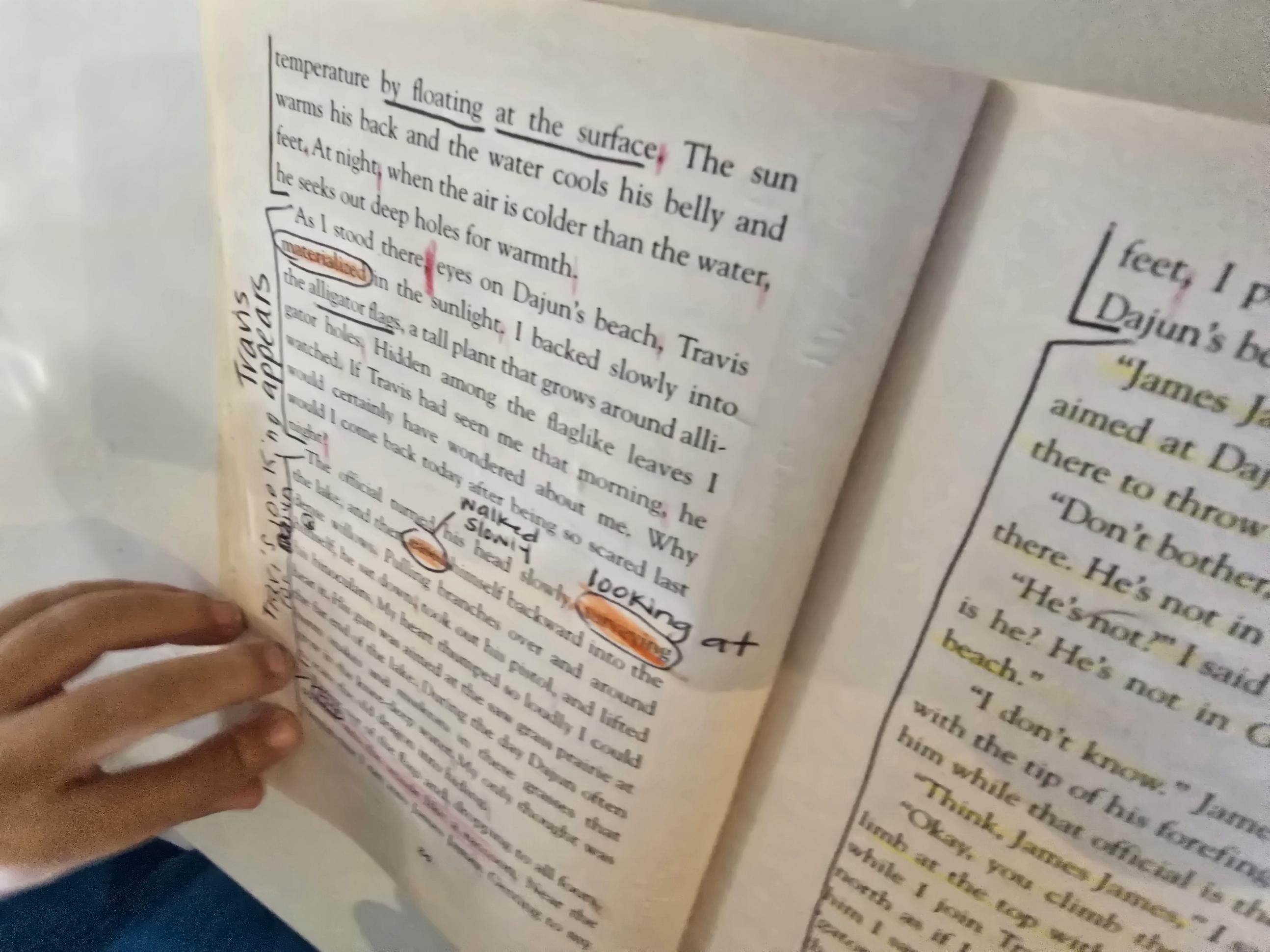
Annotating is a hard skill for kids to learn and apply.
They believe that annotating is a waste of time, when in reality it is a TIME-SAVING task.
Annotating a text is valuable for the simple reason that they never have to go back and reread ever again. The way I annotate with my students helps them remember the essence of the story and gives them a solid roadmap for finding answers or evidence when they need it.
Annotating increases test scores significantly.
When a child struggles with reading comprehension, the first thing I ask them is,
"Did you annotate?"
And the answer is typically, "No."
Annotating saves grades.
If you are ready to learn how, click the button below.
I want to learn a bit more.
⬇️
What is Annotating?

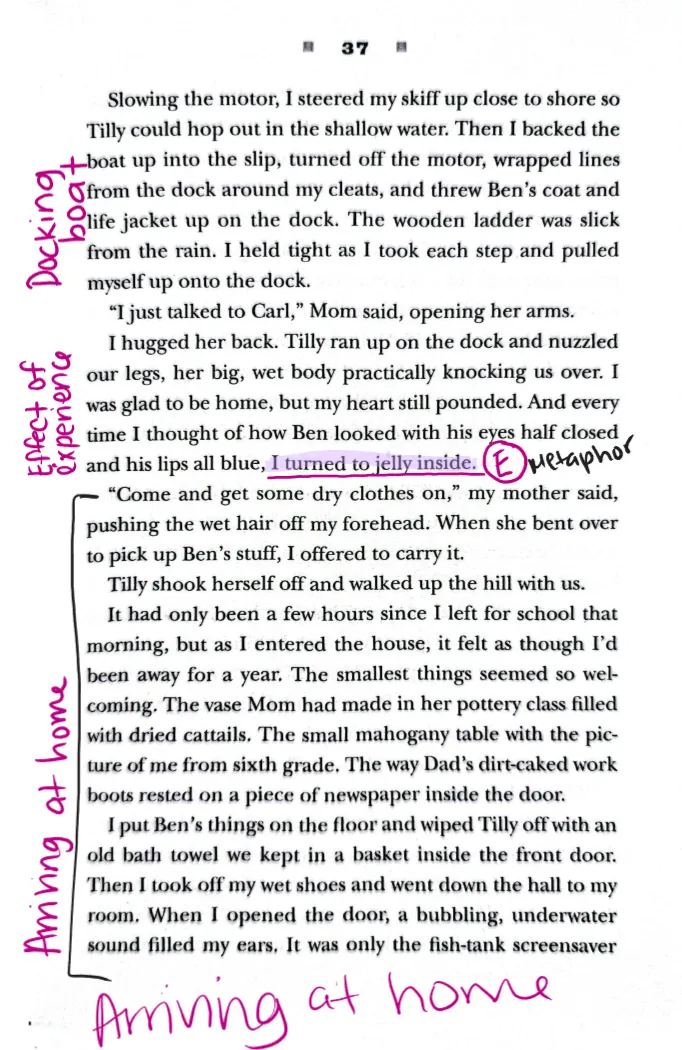
Annotating is a way of talking back to a book while students read it! They actually engage with the text and with the author.
Imagine you are reading a story or article, and instead of just letting the words go in one eye and out the other, you grab a pencil and start leaving little notes.
You might:
⭕ Circle a word you don't know
Underline a sentence that seems really important to a theme
❓Wrtie a question in the margin like, "Wait, why did he do that?"
🖍️Draw a quick sketch to help you picture the scene
❗Put an exclamation mark next to something that surprised you
It's basically like having a conversation with the text. The author says something, and you respond by jotting down what you are thinking.
The cool thing is, when students go back to study or talk about what they've read, all their thoughts are already right there on the page and they don't have to remember everything from scratch or waste time searching the entire book for quotes.
Think of it like they are leaving a trail of breadcrumbs through the forest of a book so they can always find their way back to the important parts!
Annotating is an ESSENTIAL SKILL to learn for middle schoolers and beyond. AND it is EXPECTED in college.
Top Universities Require Annotating Skills in Incoming Freshmen
Research Shows Annotating Increases Comprehension and Critical Thinking💡

Decades of research show positive benefits of annotation for reading comprehension, the ability to analyze ideas, and the skill to communicate those ideas in writing.
Research has shown that annotation improves comprehension by helping students organize their thoughts, draw connections between ideas, and reflect critically on what they are reading, thereby deepening their understanding and promoting meaningful learning outcomes.
Annotating slows down the reading process and creates opportunities for students to intentionally use cognitive strategies taught and modeled by their teachers.
During reading, text annotations can help students actively construct meaning and prevent themselves from just brushing over the text otherwise known as skimming.
After reading, text annotations help students go back to their notes so that they extract details to support their claims or answer choices. It makes it easy to engage in meaningful conversations about the book, boosting their confidence and independence in class.
Annotating Course Descriptions for Middle School
Annotating Course Descriptions for High School
Request A Novel
If you don't see your child's book on the list, no worries!
Just fill out the novel request form and I will get back to you ASAP.
Offers and Pricing for Annotating Courses
Digital Courses (DIY) $197-$397
All digital courses include the following...
A secure online school platform with a username and password
A secure community within the platform itself where all comments are filtered through Mrs. Martinez to ensure only supportive and encouraging content is posted
A complete course modeling annotating best practices so that students can internalize the dialogue a reader has with the book
A video library for students to visit and revisit
A module dedicated to setting the students up for success that teaches them the foundations of fiction literature.
Lesson on plot diagramming
Lesson on theme and theme essay
Annotating Intensive With Mrs. Martinez $997
Only available for group sessions. 4 students per group. Limited Availability.
All annotating intensive sessions include the following...
9 Hours of small group instruction over 2 weeks
6 classes 1.5 hours each
A secure online school platform with a username and password where video lessons are stored and accessed
A secure, supportive community within the platform where all comments are filtered through Mrs. Martinez to ensure only supportive and encouraging content is posted
A complete course modeling annotating best practices so that students can internalize the dialogue a reader has with the book
A video library where students can learn at their own pace and in a time that suits them best
A module dedicated to setting the students up for success that teaches them the foundations of fiction literature
Lesson on plot diagramming
Lesson on theme and theme essay
Writing Intensive: Learning how to write a response to literature, how to uncover and support major themes in literature
Deep Dive into author's craft and structure to enhance comprehension and test-taking skills
Support through the first semester of school with reading and writing assignments
Midterm support (if applicable)
Follow on Instagram @back2basics_learningcompany
Copyrights 2026 | Back2Basics Learning Co.™ | Terms & Conditions